Ghost cat

I leave for Japan tomorrow. I haven’t traveled outside of the United States in over two decades. The last, and only time, I have been out of the country was when my family lived on the island of Okinawa, Japan for a couple of years when I was in grade school. People are less surprised by my interest in Japanese movies or professional wrestling when I tell them I lived on a military base in Okinawa as a kid. Sure, you could consider my interest in Japanese culture as surface level or a bit “weeb,” but I would disagree. When I watch Japanese films, pro wrestling, or baseball, I am reminded of my time as a child when the sound of the waves felt welcoming, the whip of the ocean breeze felt energizing, and the island of Okinawa felt like home.
My family moved to Japan because my new father was a Marine and I mostly remember happier experiences during our time in Okinawa. I befriended a diverse collection of friends who were also children of Marine Corps families. I loved seeing new and interesting cultural practices around me that didn’t exist in Kansas. Though I was scared of interacting with people because I didn’t know how to speak the local languages, I became pretty comfortable with being uncomfortable. Stop, observe, and practice what you see around you. I learned how to function as a human being while growing up in Okinawa.
I loved our first home in Okinawa, an upstairs apartment with walls that were paper thin and made of sliding panels. We could slide the walls around, which allowed us to run circles throughout the entire home if we wanted to. Our neighbors and landlords gave us big baskets of fruit during our American holidays. I’d watch Ryukyuan (Okinawan) kids walk to school on weekends in their white and navy blue uniforms from our second-story cement porch. I remember shaking in excitement when my mom would take the family out on the island to check out some of the wildest playgrounds I have ever seen. Okinawa, and therefore Japan, has a special place in my heart because it is part of me.

I could write an entire blog post about the impact of Japanese and American colonialism on Okinawa, and all the other “isms” that impact the Ryukyuans who live on the island. But I’ll spare you the details this time around. If anything, you should read Susuma Higa’s “Okinawa” graphic novel, which is an amazing collection of short stories that capture Okinawa’s transformation as an island and culture from World War 2 until now. The stories are funny, sweet, depressing, gut-wrenching, and hopeful. Read it!
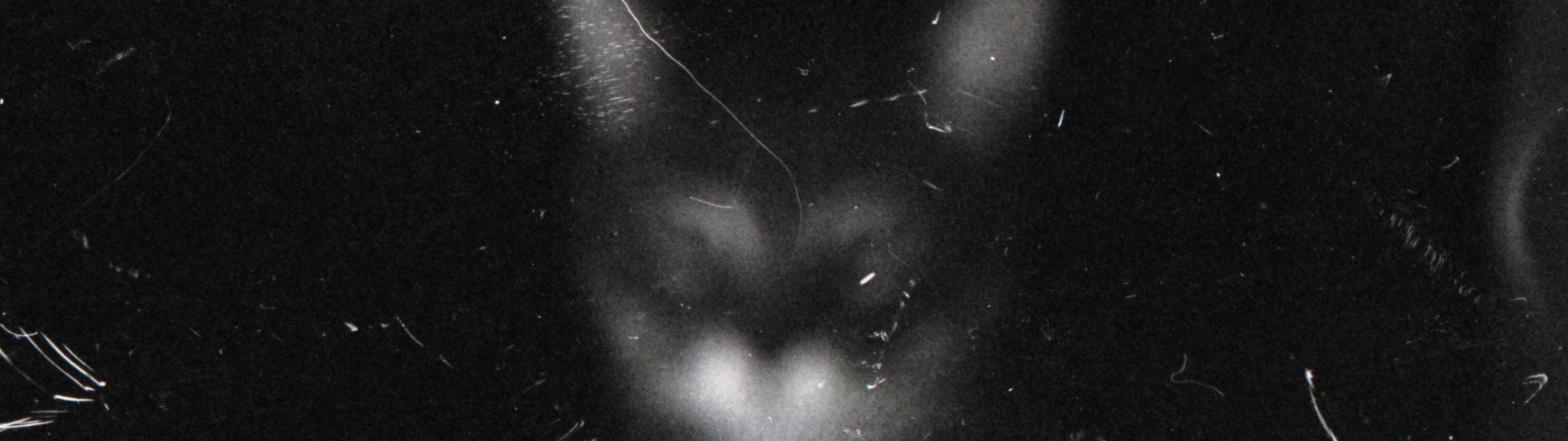
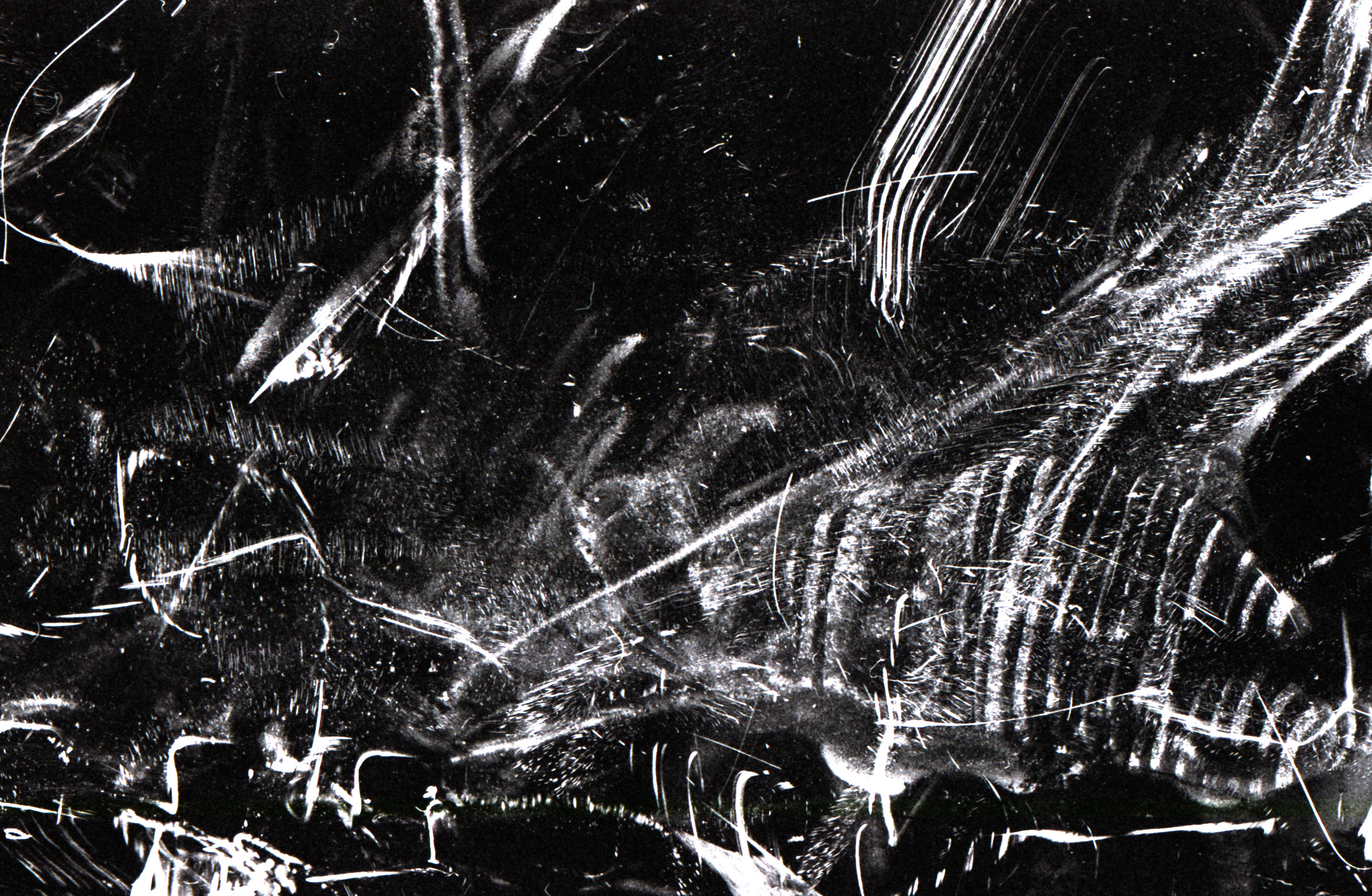
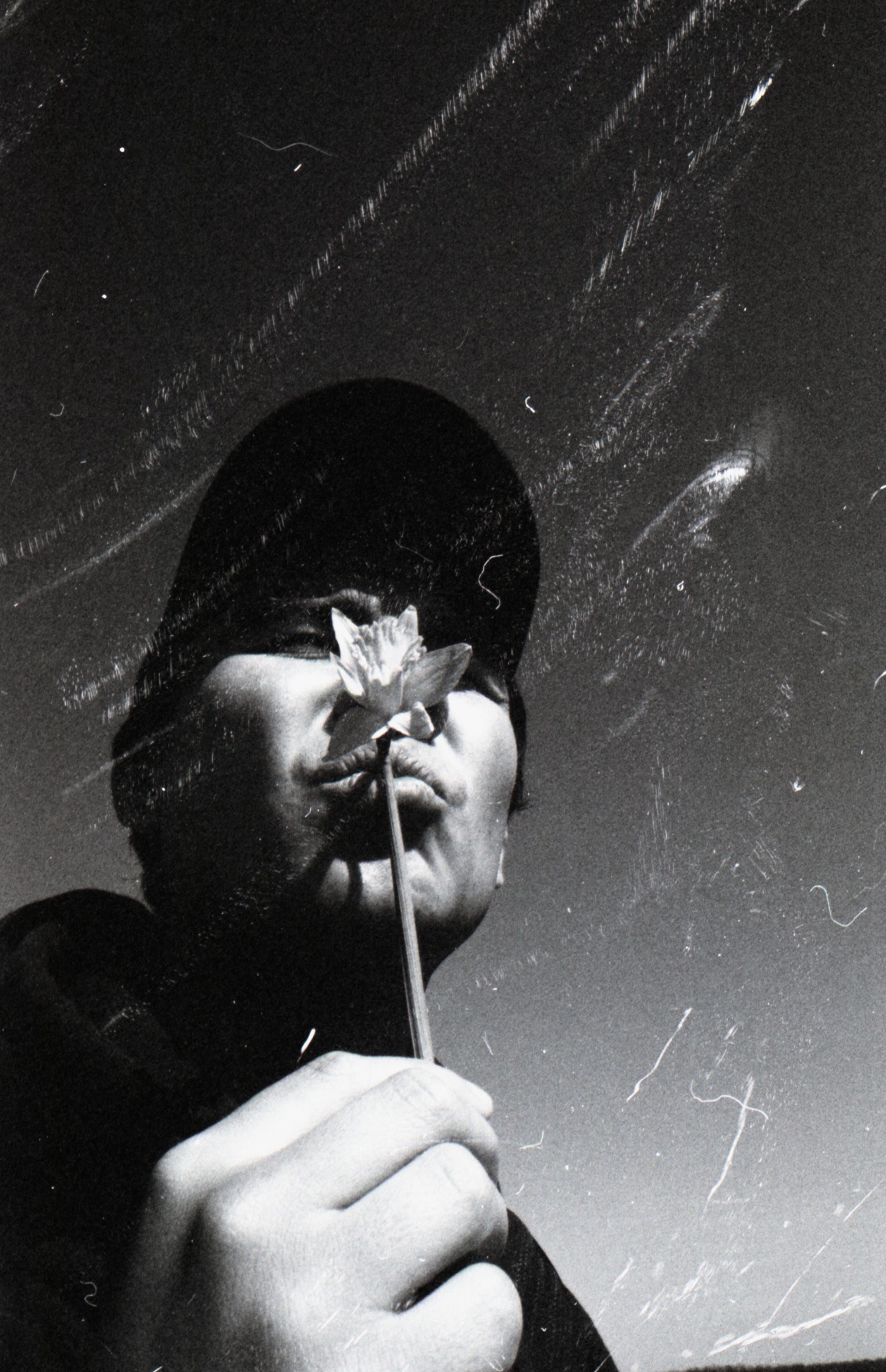
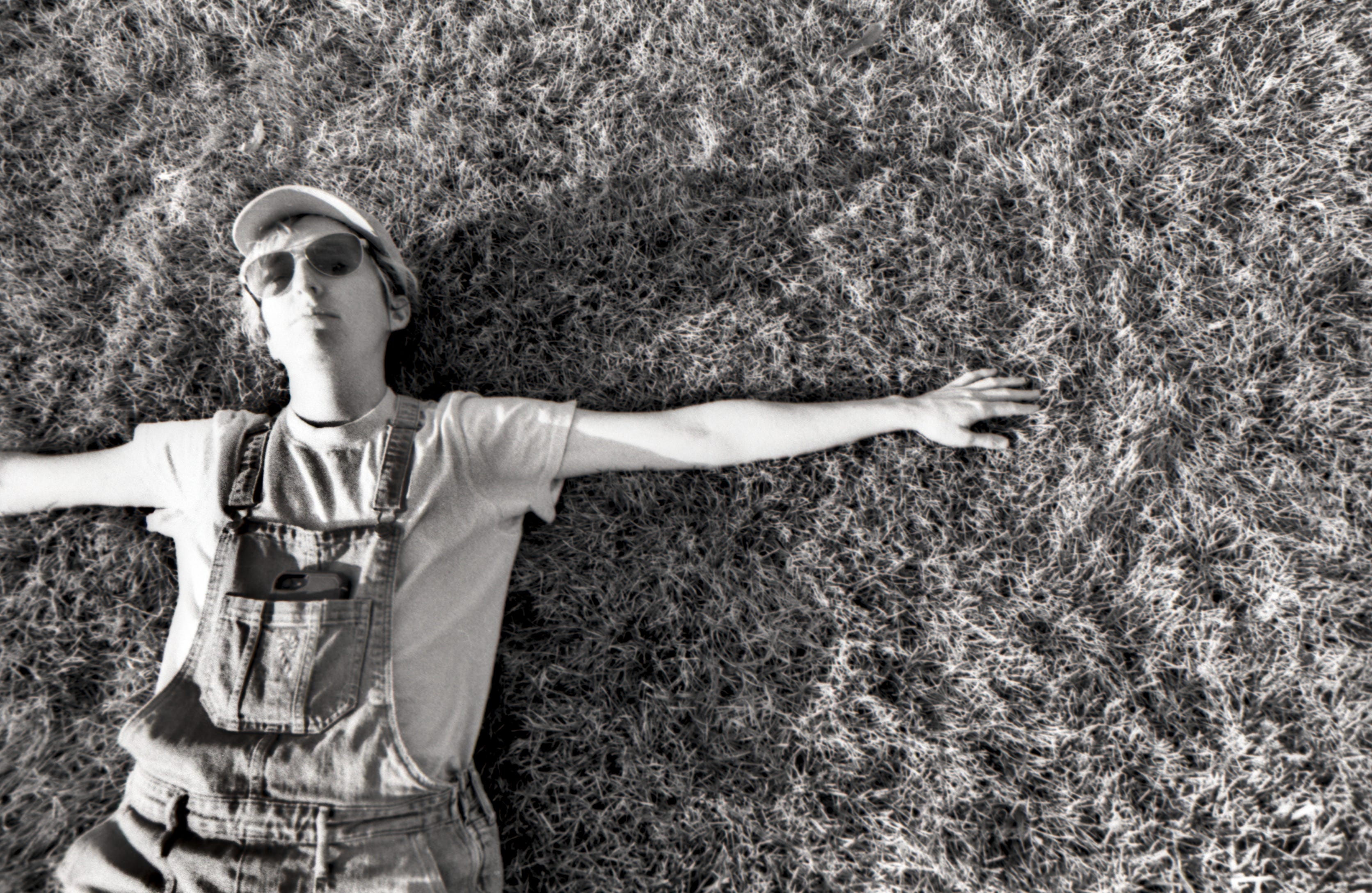
Instead, I am going to share some joy with you because I finally developed and scanned my first two rolls of film! Film can be costly because you have to buy the roll, pay someone to develop the roll, and pay them to scan digitally. I said, "Forget that," and decided to buy my own developing materials myself. I’ve been teaching myself how to develop black and white since the start of the year, and my first three batches all failed. In planning for Japan, I emptied out my cameras because I’m taking every film roll I own with me across the Pacific Ocean. And my fourth time developing film was a charm. Sure, the images are pretty scratched and scuffed... but some of them look cool, and I now have confidence in what I am doing.
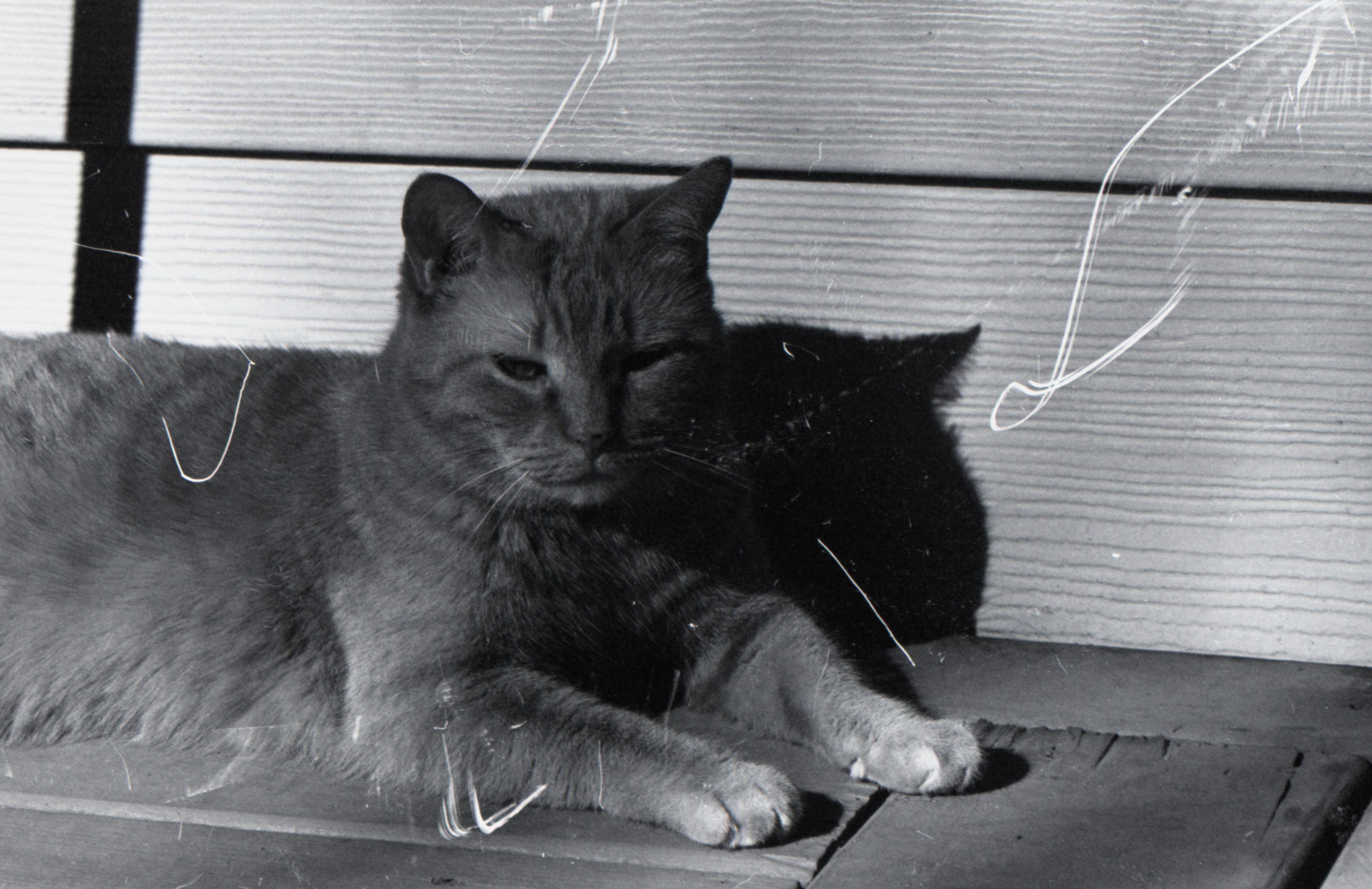
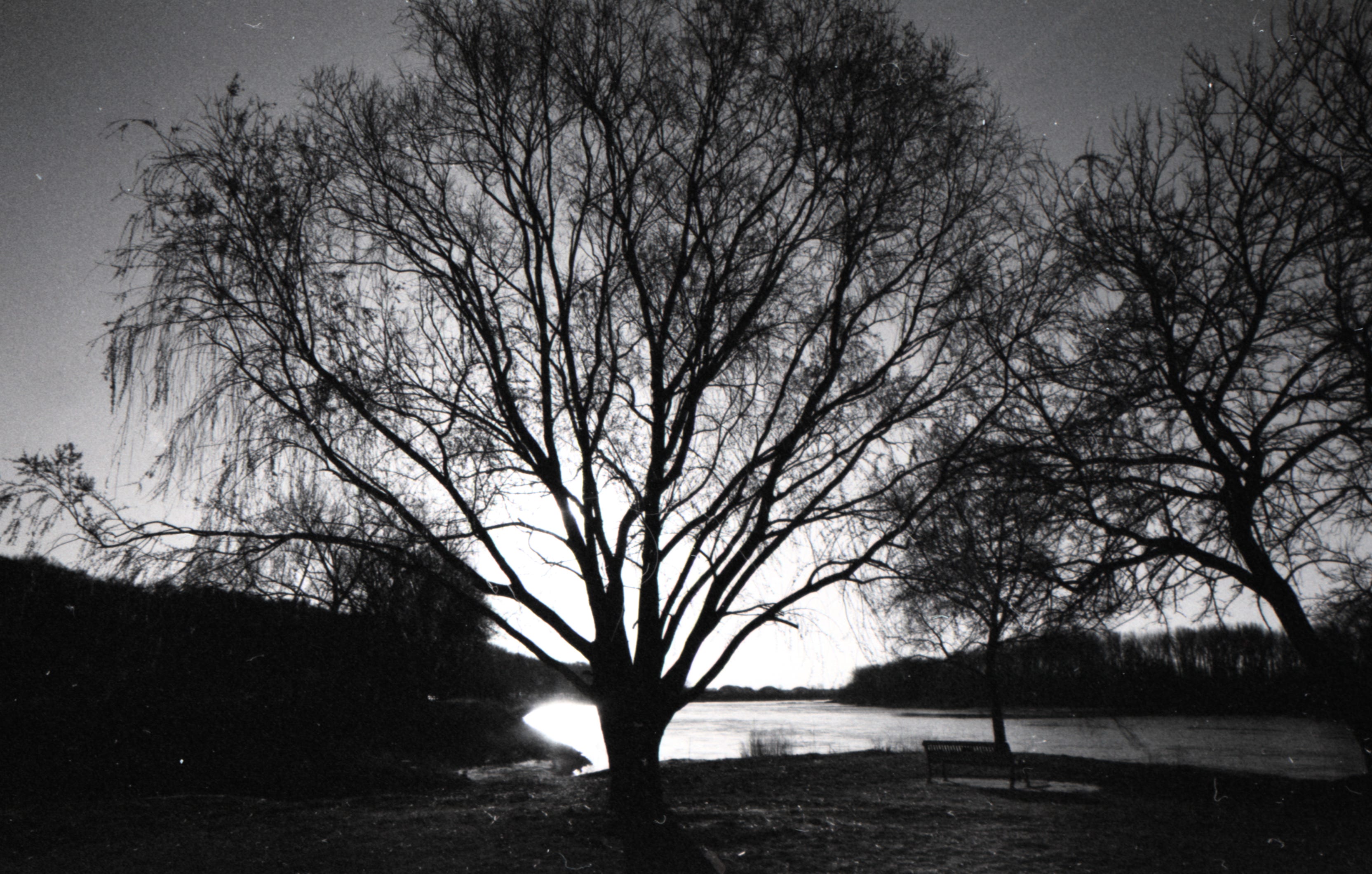
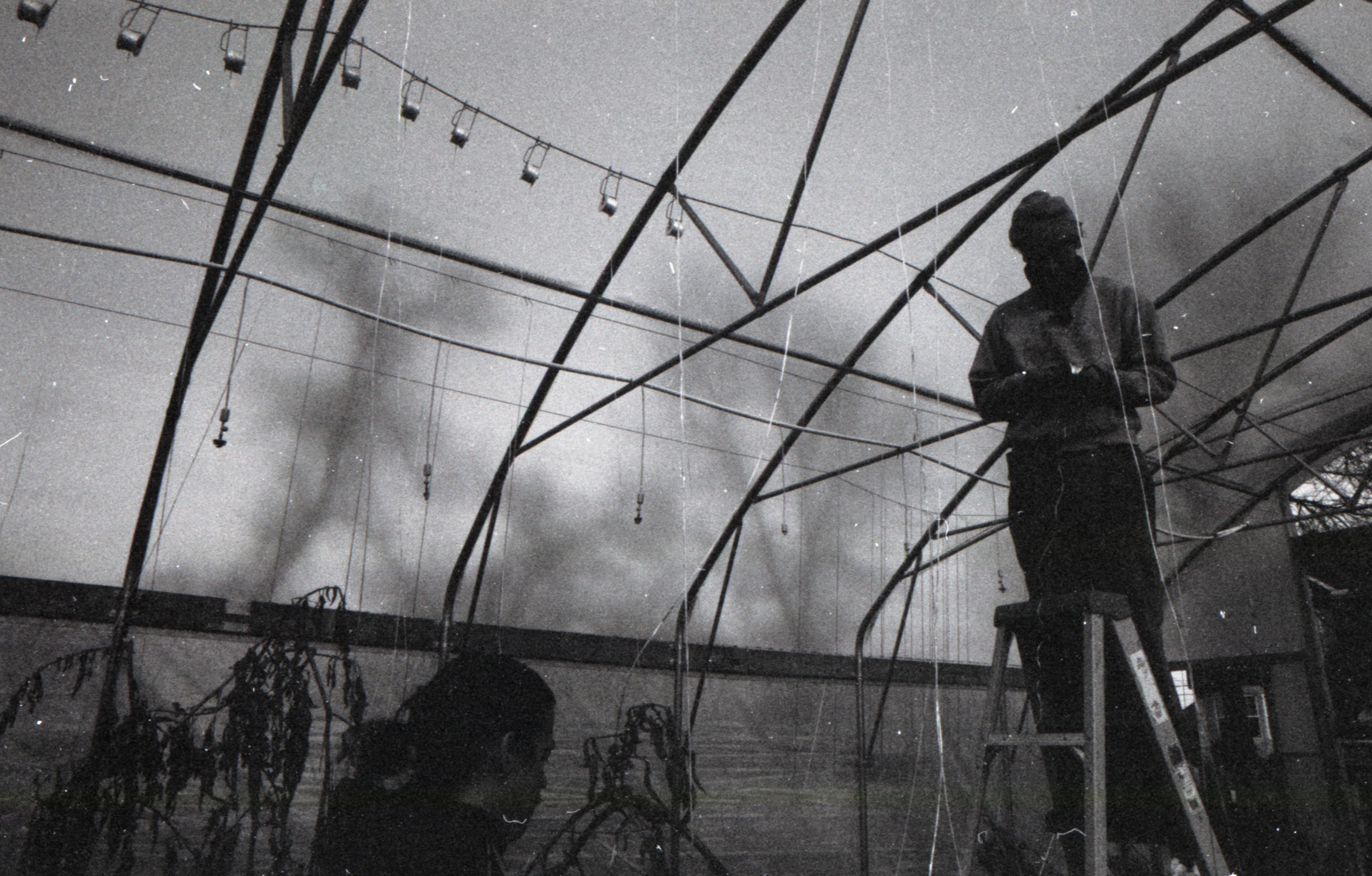
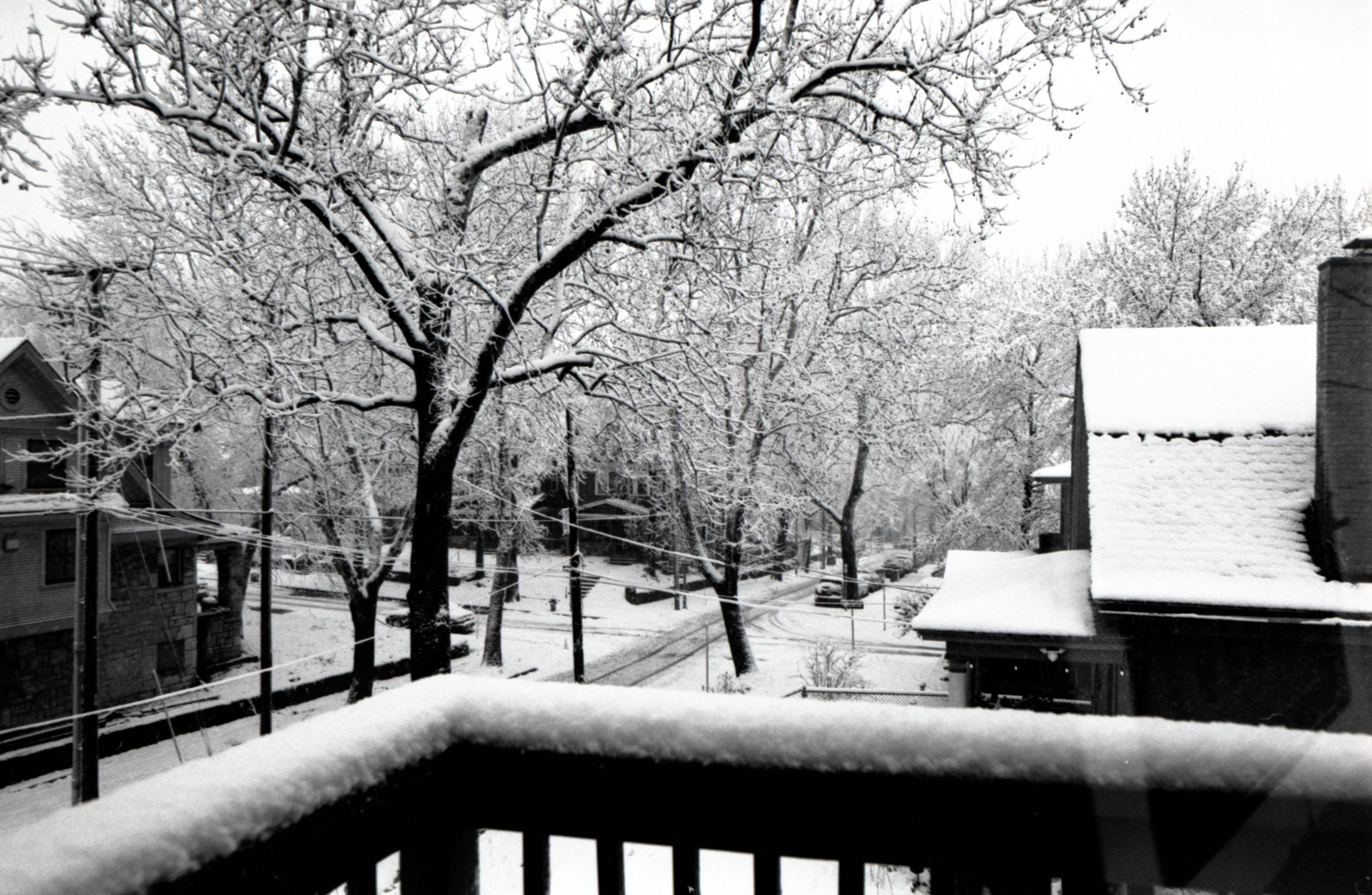
What appeals to me about film is the craft and skill required to pull it off. Some of you know my stance about convenience: Convenience kills. I am not opposed to technology making photography easier and more accessible for people; I think accessibility is great. However, it becomes obvious when technology hinders a person’s ability to develop skill and critical thinking in how they interact with the world around them. You’ve seen the people who are taking photos nonstop, all the time, and failing to actually be present in the moment they are living in. It requires very little skill these days to take a great, meaningful photo.
Also, have you noticed how we have all of this technology making things more efficient and timely yet… poor and working people seem even more stressed than before this technology? Its as if the technology isn’t being made to give us more time with our loved ones or to grow as human beings but rather to line the pockets of those who wield these technologies. We focused so much on the tools we did little to consider how the masters would actually use them. A tale as old as time.
I enjoy using film because it forces me to be present with the world around me. I can’t afford to take 15 pictures of one moment because I only have 36 shots in a roll. I capture a photo for what it is and all it needs to be: a singular moment. Nothing more and nothing less. Not only do I need to take a great picture with the proper amount of light and exposure, but I need to develop it in the proper environment with the proper chemicals at the proper temperature within the proper amount of time. And then I need to scan the suckers after I develop them!
Does this make me a better photographer than others? No. Do I have a closer attachment to the photography I produce because of the labor that goes into it? Maybe. All I know is that using film makes me think with intention. That is what I enjoy about it the most. Being intentional isn’t all roses and daisies either… I have lost three rolls of film with botched developments this year as I taught myself the process. That’s 108 images that I could have loved gone forever.
These limited conditions make me sharper in how I care for my equipment and my rolls. Like, hopefully with my next batch, these images won’t be as scuffed and scratched as the ones you are seeing today. I won’t develop the images I take in Japan… those are moments that should be developed by a professional. But down the road, I would love to make prints that can be given to friends or framed. Hell, maybe I can learn how to develop color film?
I will fill y’all in on how my trip to Japan went when I come back later in May. Until then, enjoy these weird photos!